The End of the Middleman: Why Luxury Brands Are Breaking Up With Department Stores
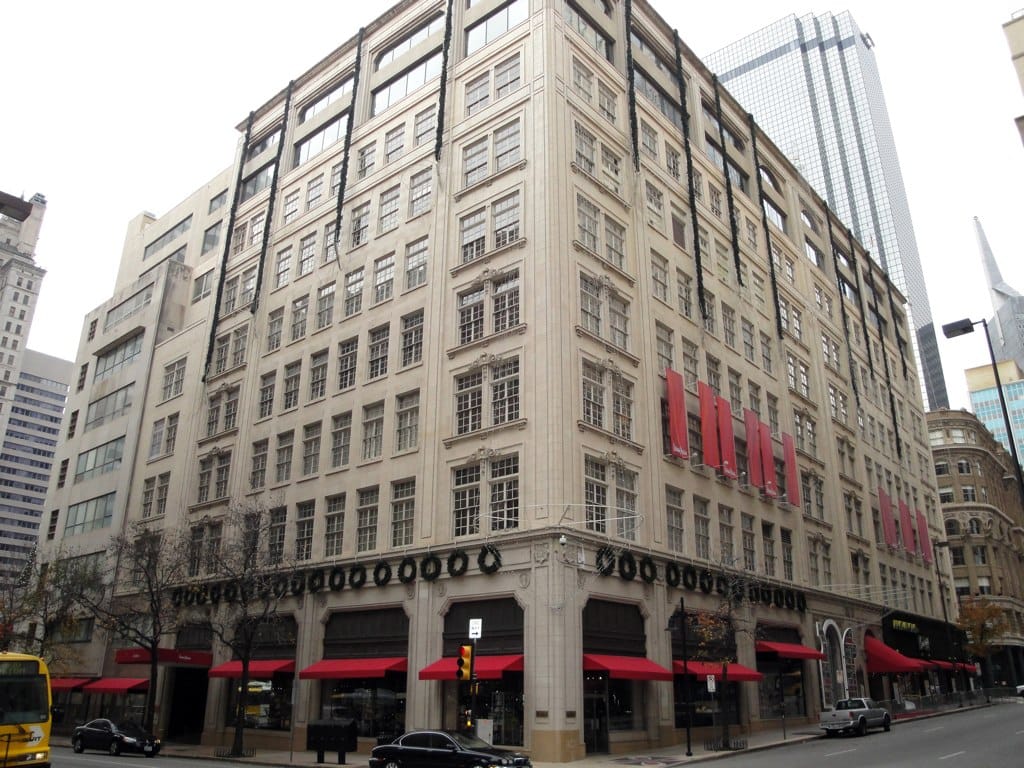
After more than a century in downtown Dallas, Neiman Marcus will permanently close its flagship doors on September 30, 2026. The announcement marks a brutal, pivotal moment for parent company Saks Global as it continues to shutter unprofitable doors amid its bankruptcy restructuring.
But this closure is more than just a real estate correction. It forces us to ask a critical question: In today’s retail landscape, is the luxury department store model fundamentally broken?
The $5 Billion Problem That Won’t Go Away
To understand the current crisis, we have to look at the financial engineering that left these stores vulnerable in the first place.
Founded in 1907, Neiman Marcus spent decades as the ultimate retailer of choice for oil-rich Texans looking to match their clothing to their wealth. The turning point arrived in 2005 when Texas Pacific Group and Warburg Pincus acquired the company in a $5.1 billion leveraged buyout (LBO).
In an LBO, the acquiring firms put up a fraction of the capital and use the target company's own cash flow and assets as collateral for the rest. The debt lands on the target company's books, not the buyer's. For Neiman Marcus, that meant carrying a suffocating debt burden that ranged from $1 billion to $5 billion over the last 20 years.
While Neiman was wildly successful during the first LBO, the debt constrained the business through the 2010s. The company faced financial hardships once again when the 2020 pandemic wiped out foot traffic, ultimately collapsing into Chapter 11 bankruptcy. In August 2020, it was forced to shut and vacate the Hudson Yards store that it had opened just over a year earlier along with several other locations.
The Real Threat: The Supply Crisis
However, historical debt may not be the biggest threat Saks Global faces today. The real concern is a fundamental misalignment of interest between Saks Global and the brands it depends on.
The major luxury conglomerates that own the marquee names, the names that actually drive foot traffic, have spent the last decade quietly pulling out of the wholesale channel.
- The Great Pullback: Kering’s wholesale revenue fell 23% in the first half of 2025, a decline the company attributed to its deliberate effort to sharpen distribution exclusivity. They are not alone; major brands are systematically allocating fewer top-tier products to department stores in favor of their internal boutiques.
- The Margin War: Well-established brands recognize that clients will find their nearest mono-brand boutique regardless. Selling through Neiman Marcus means sharing profit margins with a middleman.
- The CRM Black Hole: In a wholesale environment, the participating brand cedes client experience quality control and client data to Saks Global. In a brand-owned location, the client relationship is owned end-to-end, with every transaction, preference, and interest captured in the brand's own CRM.
What remains on the department store floor are the brands that still need exposure, and those are not the names Neiman Marcus or Saks can safely rely on to generate billion-dollar business.
The Saks on Amazon Reality Check
When Amazon invested $475 million in Saks Global, the pitch was scale: use Amazon’s unmatched logistics infrastructure to reach demand more efficiently. The investment saw the creation of Saks on Amazon, and gave Amazon a shot at luxury retail.
The luxury brands said no.
Citing concerns that appearing on a mass-market platform would dilute decades of brand equity, major players quietly refused to participate. Saks on Amazon launched in April 2025 and was unceremoniously shut down by early February 2026. Shortly after, Saks filed for Chapter 11, and Amazon declared its $475 million stake presumptively worthless.
The collapse proved a core principle of the Anti-laws of Luxury Marketing: make it difficult for clients to buy. Luxury brands operate differently from any other retail sector, prioritizing brand image control over quick profit based on convenience. It's also strong evidence that shows the importance luxury brands place on CRM data today. Selling through Saks on Amazon would have meant losing access to a key component of the business.
So What’s Next for Saks Global?
Saks Global’s Chapter 11 reorganization plan, confirmed on June 5, 2026, slashes the company's debt load from $3.4 billion to approximately $1.2 billion. The post-bankruptcy projections are highly ambitious, forecasting revenue to reach $7.2 billion by fiscal year 2030.
But the structural math remains challenging and the underlying business model continues to face pressure. If the world's most desired brands continue to scale back their wholesale footprint in favor of their own internally-owned shops, how exactly will Saks Global convince them to bring their full presence back to the department store floor?